

In my last post, How a Smart Blogging Strategy Can Transform Your Nonprofit, I shared why a blog is one of the most powerful storytelling tools your organization has. A consistent, mission-driven blog can boost visibility, deepen donor engagement, and build lasting trust.
But strategy alone isn’t enough. How you approach blogging (what you say, how you say it, and what you choose to share) can make or break your efforts. So, let’s talk about the dos and don’ts of successful nonprofit blogging, with a few real-world storytelling ideas along the way.
Do: Write with Purpose
Every blog should have a clear goal. What do you want readers to feel or do when they finish reading?
If you’re writing about a new program, your purpose might be to build awareness or inspire support. If you’re highlighting a success story, your goal might be to enhance donor confidence or drive thought leadership.
💡 Example: Instead of a generic update on your food pantry, write a story about Maria, a mother who had to make a difficult choice; pay an unexpected car repair bill or buy groceries for her family. When she came to your pantry, she said, “Thank you so much! I wouldn’t be able to feed my family this week without you.”
That single story puts a face and a feeling to your mission. End by inviting readers to help more families like hers through a monthly giving program.
Don’t: Post Just to Post
Regular posting matters, but quality matters more. A rushed article filled with sector jargon, a copy and pasted news article, or yearly stats with no context won’t connect emotionally.
It’s better to share one meaningful, well-crafted story every few weeks than to push out frequent content that doesn’t add value. Readers can tell the difference.
Do: Tell Real Stories
Authenticity builds trust. Feature the people behind your mission, not just clients, but also volunteers, staff, and community partners. Use names (with permission), quotes, images and video to make stories feel alive.
💡 Example: Write about a volunteer like James, who shows up every Saturday morning before sunrise to pack meals for the local homeless shelter. Share his reason for volunteering and what he’s learned along the way. It turns a statistic like “500 volunteers gave their time this month”, into something readers remember.

Don’t: Center Your Organization Too Much
Your nonprofit’s blog shouldn’t be about you. It’s about the people you serve and the change you’re making together. Avoid “we” language overload. Instead, focus on how your audience is the hero of the story. Remember, their support is the catalyst for positive change.
💡 Example: Instead of “We launched a new after-school program,” write, “Because of donors like you, 40 students now have a safe place to learn and grow every afternoon.”
Do: Optimize for Search and Accessibility
SEO doesn’t have to be complicated. Use plain, clear language that real people search for, like “how to help homeless youth in Columbus” or “local food pantry volunteer opportunities.” Break up long paragraphs, use subheads, and add alt text to images.
These small steps make your stories easier to find and more enjoyable to read, especially for readers viewing your blog on mobile devices or with screen readers.
Don’t: Forget the Reader Experience
Big blocks of text or slow-loading pages turn readers away. Pair text with photos, pull quotes, and short paragraphs to invite readers in and inspire them to keep scrolling.
💡 Example: If you’re profiling a family your organization helped, include a candid photo, a brief quote in large type, and a caption that connects back to your mission. It helps readers feel emotionally involved instead of overwhelmed.
Do: End with a Call to Action
Stories inspire action, but only if you tell readers what to do next. Every post should end with a clear and natural call to action.
💡 Example: After a story about a local youth mentoring program, add: “You can make a difference for students like Lily. Volunteer as a mentor or give $25 to support our next match.”
It feels conversational, not pushy. And it moves your mission forward.
Don’t: Publish and Disappear
Hitting “publish” is just the beginning. Promote your blog posts in your e-newsletter, social channels, and even direct mail. Repurpose them into social captions, press releases, email snippets, and talking points for the development team.
Your blog can be the heart of your content ecosystem, instead of a forgotten corner of your website.
Do: Engage Commenters and Build Community
When someone takes the time to comment on your blog or share your post, that’s a sign of connection. Don’t ignore it. Respond to comments, answer questions, and thank readers for their insights.
💡 Example: If a volunteer comments, “I loved helping with this event!” reply with, “We’re so glad you were part of it! Stay tuned for our next volunteer day in March.”
Engagement builds community. The more you respond, the more your readers feel seen, valued, and motivated to come back.
Do: Track What Works
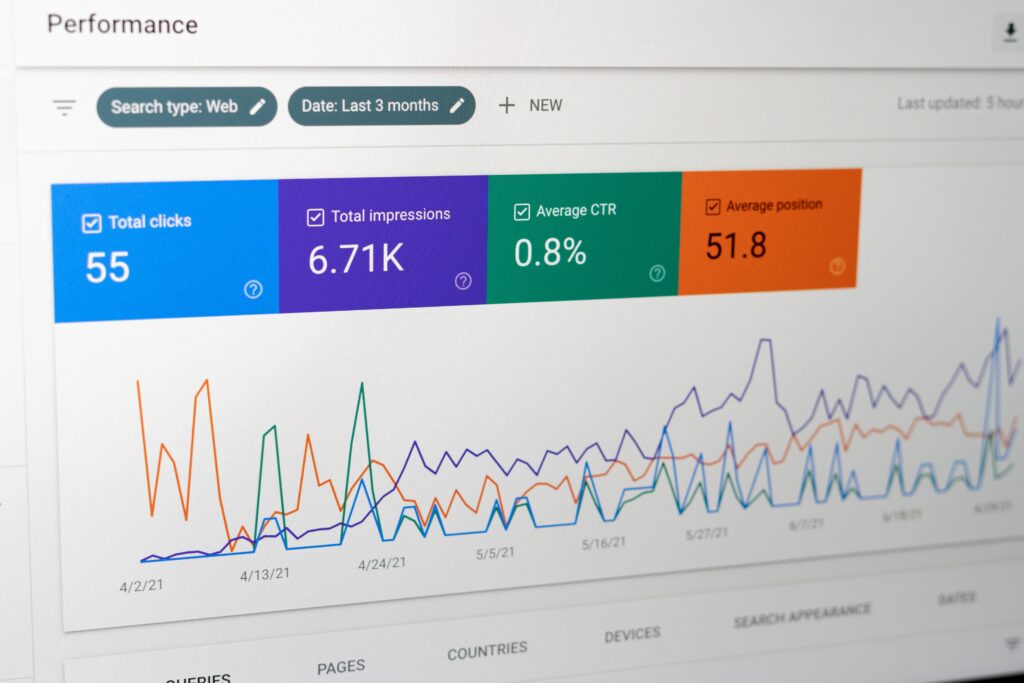
Check your blog analytics monthly. Which stories are people reading all the way through? Which posts drive the most traffic or newsletter signups?
💡 Example: If you notice posts about “volunteer stories” perform best, plan a quarterly feature highlighting one volunteer’s journey. Let your data guide your storytelling.
Final Thought
Blogging for your nonprofit isn’t about chasing clicks. It’s about deepening relationships. When your stories are purposeful, personal, and authentic, readers don’t just understand your mission; they feel it.
Yes, blogging takes work–planning, writing, editing, and promoting–but it’s work that pays off. Every well-crafted post strengthens engagement, improves visibility, and gives you fresh content to repurpose across newsletters, social media, and direct mail campaigns. The effort compounds over time, building momentum and trust with every story you share.
Start with strategy (like we explored in my last post), then bring it to life with heart and craft. That’s how your blog becomes a trusted voice and a steady source of inspiration for your community.
Ready to Build a Smarter Blog Strategy?
If you want to elevate your nonprofit’s storytelling and make your content strategy work harder for your mission, let’s talk.
👉 Schedule a free discovery call to explore how we can bring your brand story and your blog to life.
