
A recent Chronicle of Philanthropy article titled, ‘Food Insecurity’ and Other Words That Sanitize Poverty, put clear language around something I see often in nonprofit communication. It was a powerful reminder of why human-centered nonprofit messaging matters now more than ever.
The article points out that we often describe very real hardship with abstract, academic phrases. It includes this line:
Hunger is “food insecurity.” Eviction is “housing instability.” Poverty itself is “economic vulnerability.” These are academic terms of art, not human ones.
When we use this kind of language, we create distance. Not because we don’t care, but because the words fail to bring supporters close enough to understand what is at stake.
I have worked in nonprofit spaces for more than ten years. When I read phrases like “expand food access” or “increase economic mobility,” I know the intention is good. Heck, I’ve used them myself. Yet I can see how these phrases rarely help someone feel a story in their gut. They don’t show the mom who can’t afford childcare, or the senior who’s rationing medication, or the child who tries to focus in class while thinking about the next meal. Abstract language can shrink our chance to connect with real people and real struggles. This is exactly why human-centered nonprofit messaging is essential.
How a Brand Framework Helps
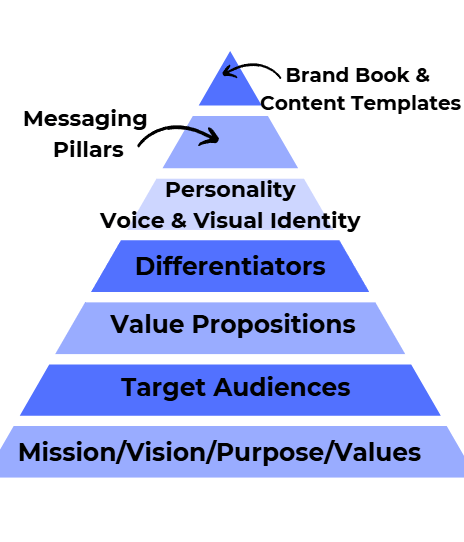
A brand framework is more than a marketing tool. It’s the structure that supports every decision, internal and external. It reminds you who you are, who you serve, and how you show up in their lives.
It is also the place where you name how words shape the way others understand your mission. This is where you define your approach to human-centered nonprofit messaging so your whole team uses language that reflects your mission and respects your community.
A clear brand framework gives you direction before you sit down to write. It keeps you rooted in the lives of the people behind your mission instead of in the language of your last grant report.
Why Technical Language Creeps In
Most teams do not sit in a room and decide to use abstract language. It grows out of grant applications, compliance requirements, evaluation tools, and policy conversations. Over time, it can be easier to use what’s already been created rather than write something new. It becomes routine.
Routine does not always serve your audience.
A helpful brand framework offers shared language that reflects your mission and your community. It gives your team something to lean on besides the latest internal document and keeps everyone aligned with human-centered nonprofit messaging.

How a Brand Framework Creates Clarity
Your brand framework includes your
- mission
- values
- personality
- voice
- tone
- audience insights
- core messaging pillars
It’s not meant to sit in a binder. It’s meant to be used every day, especially when you need to talk about hard things with honesty and care.
Here’s how that framework supports transparent communication and consistent human-centered nonprofit messaging.
Here is How A Brand Framework Helps
It reminds you who you speak for.
A brand framework ties your mission to actual lives. When you look at your language through that lens, phrases like “housing stability” lose their appeal. The real goal is to keep people in their homes.
It makes your voice consistent.
Voice and tone guidelines describe how your organization sounds on the page and in conversation. Warm or formal. Calm or urgent. Clear guidelines also name words, phrases, or tones you won’t use because they don’t fit who you are.
It gives you a shared language.
A simple list of preferred phrases and examples gives staff an easy starting point. When your team knows which words align with the brand, they’ll use clarity instead of abstraction and feel more comfortable speaking and writing on behalf of the organization.
It strengthens your storytelling.
Good storytelling is grounded in real people. A brand framework can outline how you tell stories, what elements you always include, and what you hope readers will take away. This keeps storytelling grounded instead of drifting into jargon.
It builds confidence in plain language.
Plain language invites people in. It does not flatten the work or erase complexity. A clear framework gives your team permission to write in everyday words, even when the issues are serious and layered. This is the heart of human-centered nonprofit messaging.

Words and Phrases to Use and Avoid
Your message doesn’t need to feel polished every time. It does need to feel human.
The Chronicle article offers thoughtful examples of “say this, not that.” Here are my own suggestions for brand and fundraising content.
Words and Phrases to Use
These phrases point to real lives and real situations. They feel familiar and specific.
- feed Mary’s family
- keep people in their homes
- cover utility bills
- help workers earn enough to live
- support caregivers
- pay rent
- fill prescriptions
- help families stay together
- make sure students have lunch
- support older adults living with dignity
- get people the care they need
Words and Phrases to Rethink
These phrases create distance. They often sound like they belong in a report rather than a story or appeal.
- lack of economic stability
- nutritional intervention
- housing stability outcomes
- health care access metrics
- vulnerable populations
- service fragmentation
- homeless population
- victim intervention
- lack of healthcare access
- health or food deserts
- elderly aging
You may still need some of these terms in grant proposals, legislation, or research summaries. That’s fine. The key is to use them with intention and to rely on your brand voice to translate them into human language in your public-facing work.
How to Tell Stories That Feel Honest and Respectful
Storytelling is not about adding drama. It is about helping someone recognize a piece of their own life in another person’s experience.
Here is the process I use with nonprofit clients.
Step 1. Start with a Real Person
Start with one person, not a category or label. Share who they are and what they are facing. This is their story. They are the main character, not your organization.
Step 2. Highlight One Clear Moment
Focus on a specific moment where the challenge becomes clear. A parent skipping dinner. An older adult choosing between medication and rent. A teen caring for a younger sibling before school. Describe how that moment feels and how the person responds.
Step 3. Use Plain Language
Write the story the way you would tell it to a friend. If a sentence sounds like a line from a research article or a policy memo, rewrite it. Choose words that you use in real conversation.
Step 4. Protect Dignity
Avoid language that frames people as weak, helpless, or defined only by crisis. Lift up their choices, effort, and strengths. Name the situation without turning it into their identity. For example, “a person experiencing homelessness” instead of “the homeless” and “survivors” instead of “victims.”
Step 5. Name Your Role
Show how your organization walked alongside the person. Explain what changed, and how it changed, with their effort and your support. Stay honest and resist the urge to make your organization the hero.
Step 6. Invite People into the Work
Readers want a next step. Tell them how to join the work. Give simple, specific calls to action and connect each one to the difference it creates.
Putting the Framework Into Practice
If your team tends to slip into technical language or feels unsure where to start, small steps can make a real difference.
Create a Shared Glossary
Gather examples of preferred language, words to avoid, and simple before-and-after phrases that show how to describe situations with care.
Add Voice and Tone Reminders to Content Templates
If you use forms or templates for collecting stories, add a short voice and tone reminder at the top. A single paragraph can guide staff toward the right language every time they begin.
Test Your Language with People with Lived Experience
Invite people who know the issue firsthand to review key phrases or stories. Ask whether the words feel accurate, respectful, and clear.
Review Your Stories for Humanity
When you review stories, look first for humanity. Is there a real person at the center? Does the language reflect their dignity? Does the story feel honest? A simple story library can help you keep this standard steady over time.
Teach Translation
Help staff practice turning internal terms into community language. Many nonprofits rely on acronyms and shorthand in their internal work. A little training can prevent that from spilling into public messages.
Where We Go From Here
That Chronicle piece is an important reminder that language shapes understanding, empathy, and urgency all at once.
What we need is language rooted in truth. Language that belongs to the people we serve. Language that helps supporters see themselves in our work and understand why their action matters.
A brand framework gives you the structure to do that with intention. It keeps the mission human. It keeps the message clear. And it brings people closer to the story instead of pushing them away.
If you need support building a framework that helps your organization speak with clarity and heart, I would be glad to help.
See more about my process here [LINK].
Your mission deserves words people can feel.
